Chapter 1 Annotation
1.1 Purpose and scope
The Enterprise Digital Twin (EDT) platform was built to improve the efficiency of managing industrial enterprises through advanced technologies for modeling, optimization, and process automation.
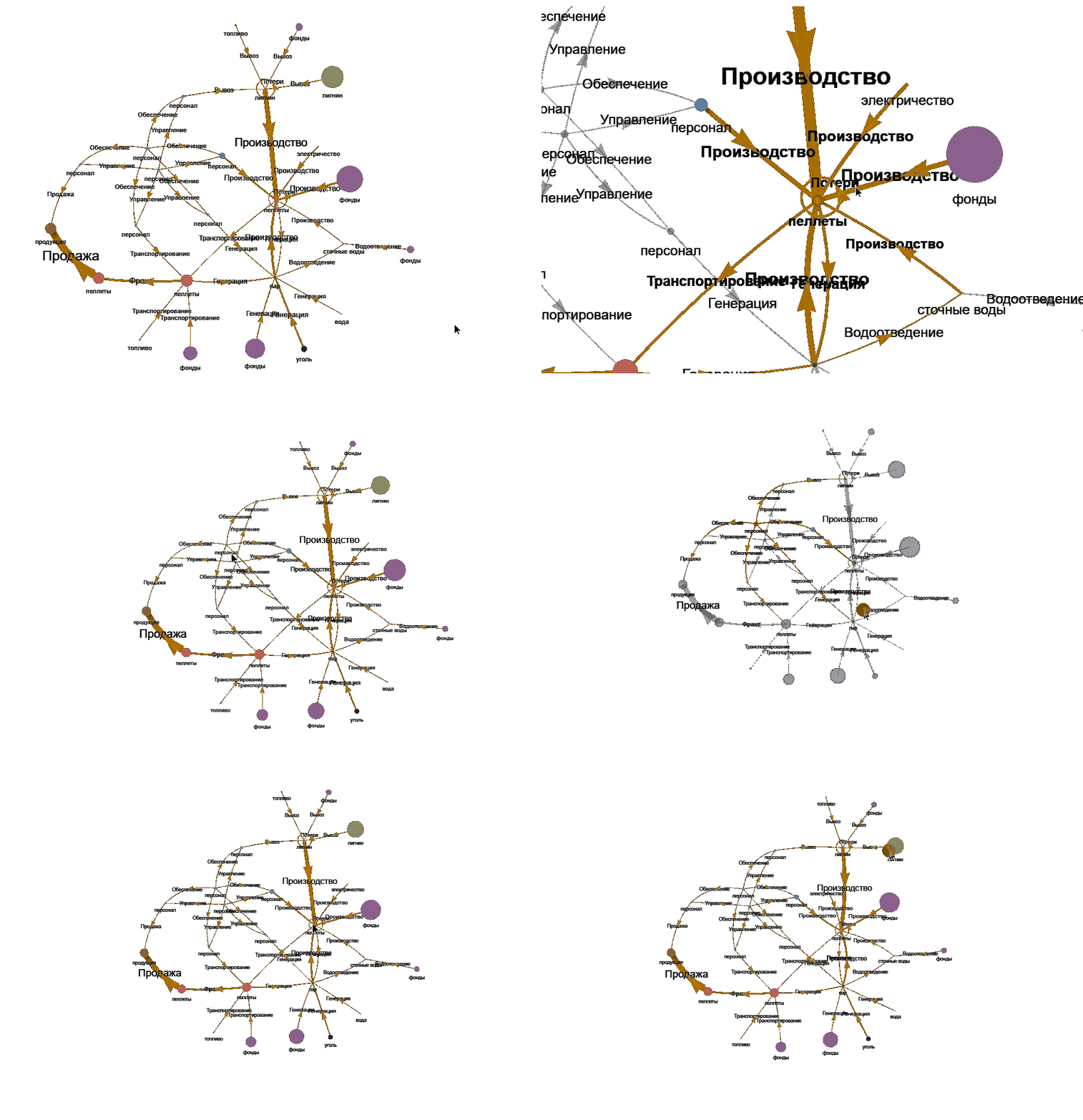
Figure 1 — The enterprise digital twin concept
The EDT is an integrated system of digital enterprise models brought together in a single information and modeling environment. Planning and analytics teams use it to manage and optimize processes at every level.
1.1.1 Main areas of use
The EDT covers the following areas of enterprise activity:
- Market monitoring for finished products and raw materials, with forecasting of demand, supply, and pricing
- Management of financial and economic activity across the entire value chain
- Production asset lifecycle optimization that minimizes operating and maintenance and repair (MRO) costs
- Investment activity with assessment of its impact on operational efficiency and financial results
- Optimization of output volume and structure that balances production chains and cost
1.1.2 Target industries
The EDT applies to enterprises across a range of industries:
| Industry | Application |
|---|---|
| Oil and gas | Extraction, refining, and transport of oil and gas |
| Metallurgy | Ferrous and non-ferrous metallurgy, rolled metal production |
| Chemical industry | Production of chemicals, fertilizers, and polymers |
| Machine building | Production of equipment, vehicles, and machine tools |
| Energy | Generation and distribution of electricity and heat |
| Agro-industry | Processing of agricultural products, food production |
1.1.3 Key platform capabilities
The EDT integrates the enterprise’s existing methods, models, and databases into a single information and modeling complex, so you can quickly run multi-scenario and optimization calculations of the consequences of management decisions.
Main components of the information and modeling complex:
- methodological support — a library of standard methods and procedures for analyzing and optimizing processes;
- mathematical support — a library of economic-mathematical and statistical models, plus optimization tools for calculations;
- information support — a glossary, a library of indicators and analytical dimensions, classifiers and reference books, and a database tracking the dynamics of macroeconomic and industry indicators;
- software — a data processing pipeline, a data and document repository, a library of mathematical functions, flexibly configurable user interfaces, and application programming interfaces (REST API).
1.2 Grounds for development
The development and rollout of the EDT platform rest on a range of strategic, regulatory, and industry grounds aimed at making Russian industry more competitive, digitally transforming production processes, and meeting national goals.
1.2.1 National development goals and the industrial policy of the Russian Federation
The key reference point for shaping the requirements for the EDT is the set of national goals approved by Russian Presidential Decree No. 474 of July 21, 2020, “On the National Development Goals of the Russian Federation for the Period to 2030,” along with the Strategy for the Development of the Manufacturing Industry to 2035. Priorities include:
- Achieving technological sovereignty and import substitution;
- Raising labor productivity and the competitiveness of industry;
- Digitally transforming government administration and industry;
- Growing citizens’ incomes and developing high-tech production.
The EDT models production and economic processes, optimizes resources, and supports management decisions, helping to meet these goals at the level of individual enterprises and industries.
1.2.2 The “Digital Economy of the Russian Federation” program and the digital transformation of industry
The development of the EDT aligns with the provisions of the national program “Digital Economy of the Russian Federation” and the Concept for the Digital Transformation of Industrial Sectors:
- The platform serves as a tool for end-to-end digitalization of production processes — from data collection to optimization and forecasting;
- It ensures transparency in decision-making based on mathematical models and verifiable data;
- It serves as a foundation for rolling out predictive analytics and automated planning at the enterprise.
1.2.3 Standards for designing and documenting automated systems
The documentation and architecture of the EDT meet the requirements of the national standards for building automated systems:
- GOST 34.601-90 “Automated Systems. Stages of Creation”;
- GOST 34.602-2020 “Technical Specification for the Creation of an Automated System”;
- GOST 34.201-2020 “Types, Completeness, and Designation of Documents”;
- GOST R 59795-2021 “Automated Systems. Requirements for Document Content”;
- GOST 19.101-2024 “Unified System of Program Documentation. Types of Programs and Program Documents.”
The platform also meets the requirements of GOST R 51904-2002 regarding the general requirements for software development and documentation.
1.2.4 Industry needs and the practice of industrial enterprises
The EDT was created in response to the practical needs of industrial enterprises for tools that model and optimize operations comprehensively:
- The need to balance production chains and minimize cost;
- The need for multi-scenario analysis of the consequences of management decisions before they are made;
- The challenge of integrating disparate information systems (ERP, MES, BI) into a single analytical loop;
- The requirement to substitute imported planning and optimization platforms.
The experience of developing and deploying the EDT has been building since 2015, led by the team at Digital Twin together with industrial customers and research organizations.
1.2.5 Methodological documents and industry recommendations
The features and architecture of the EDT take into account the provisions of methodological documents developed by the Ministry of Industry and Trade of Russia, the Ministry of Economic Development of Russia, and specialized industry organizations:
- Methodological guidelines for assessing the effectiveness of investment projects with risk taken into account;
- Recommendations for rolling out digital solutions at industrial enterprises;
- Industry methods for managing the lifecycle of production assets and optimizing resource flows.
The creation and rollout of the Enterprise Digital Twin platform align fully with the current objectives and strategic directions of the Russian Federation’s industrial policy.
Using it lets you:
- Make management decisions at the enterprise more well-founded and transparent;
- Optimize production processes and lower costs;
- Reduce the risk of ineffective decisions through multi-scenario modeling;
- Support the rollout of industry digital transformation programs.
1.3 Brief description of the platform
1.3.1 What is the EDT?
The Enterprise Digital Twin is a virtual model of a real enterprise that:
Collects data from all the enterprise’s systems (ERP, MES, sensors)
Analyzes the current state and identifies problems
Forecasts future states under different scenarios
Optimizes decisions to meet target indicators
Visualizes results to support decision-making
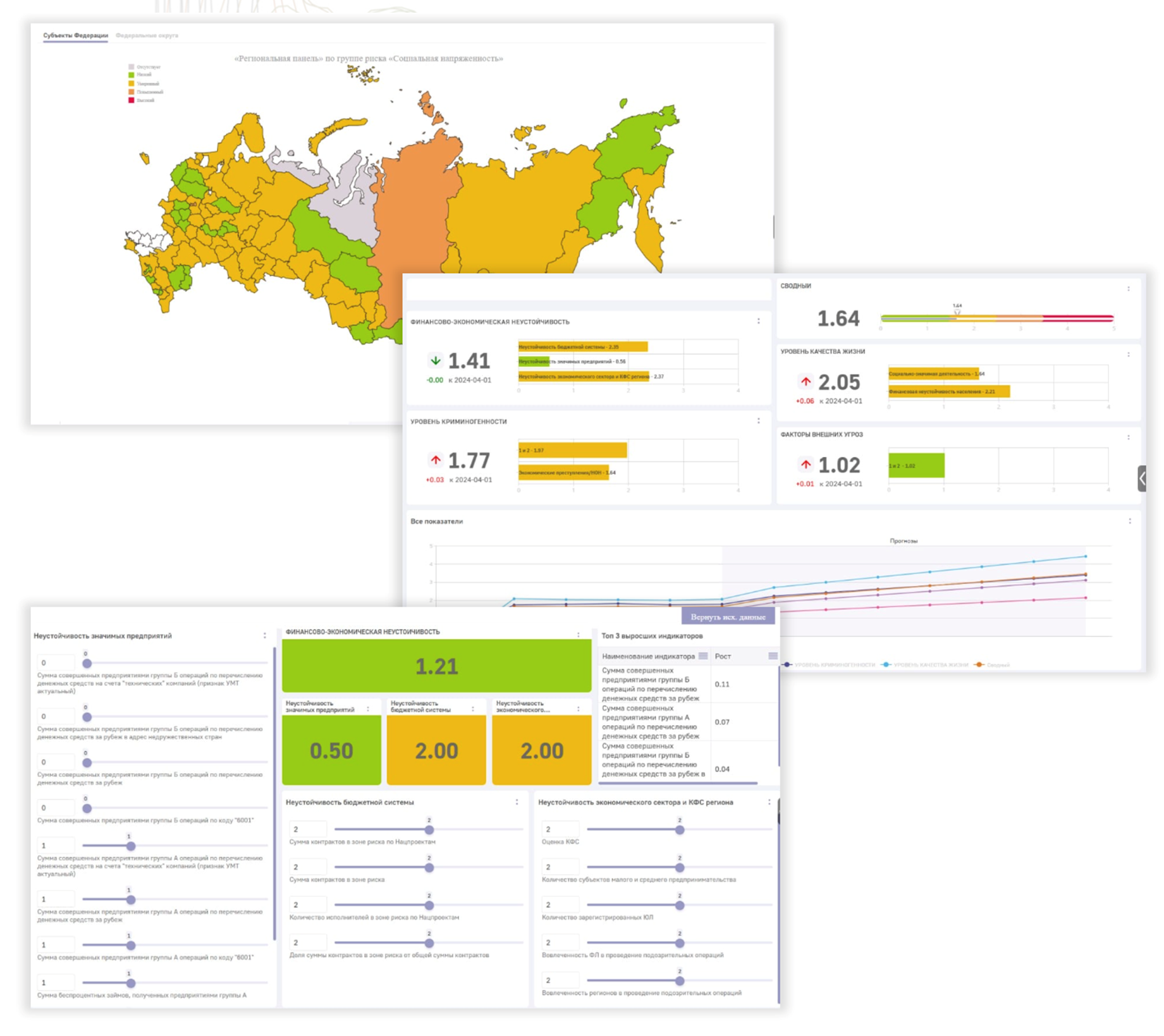
Figure 2 — Real-time data collection, calculations, and visualization in the EDT
Key advantage: The EDT integrates the enterprise’s existing methods, models, and databases into a single information and modeling complex, so you can quickly run multi-scenario and optimization calculations of the consequences of management decisions before they are made.
1.3.2 Information and modeling complex
The EDT includes four types of support:
1. Methodological support:
- A library of standard methods and procedures
- Standardized planning and analysis procedures
- Best practices in enterprise management
2. Mathematical support:
- A library of economic-mathematical models
- Statistical and simulation models
- An optimization solver for finding optimal solutions
- Forecasting and scenario analysis models
3. Information support:
- A glossary of terms and concepts
- Libraries of indicators and analytical dimensions
- Classifiers and base reference books
- High-level domain models
- A database tracking the dynamics of macroeconomic and industry indicators
4. Software:
- A data processing pipeline (ETL)
- A data and document repository
- A library of mathematical functions
- Flexibly configurable user interfaces
- REST API programming interfaces for integration
1.3.3 Distinctive features
1. Resource-balance model
- A unique mathematical model that links all the enterprise’s processes
- Models the flows of resources, time, cost, and obligations
- Built on differential equations
2. Comprehensive modeling
- Covers the entire value chain
- From raw material purchasing to product sales
- A single model for all processes
3. Import substitution
- A fully Russian solution
- Astra Linux SE, PostgreSQL, ClickHouse, R (Posit)
- Compliance with information security requirements
4. Microservice architecture
- Flexible configuration to fit the customer’s needs
- Pay only for the modules you need
- Horizontal and vertical scaling
5. Model library
- Ready-made economic-mathematical models
- For different industries and tasks
- The ability to build custom models
6. Real-time integration
- REST API for pulling data from ERP/MES
- Automatic recalculation
- Minimal delay between an event and the response
1.4 User groups
The Enterprise Digital Twin (EDT) platform serves a wide range of users at every level of enterprise management — from strategic leadership to technical services. Each of these groups needs access to the platform to make management decisions more well-founded, optimize resources, and ensure transparency in planning and analytics calculations.
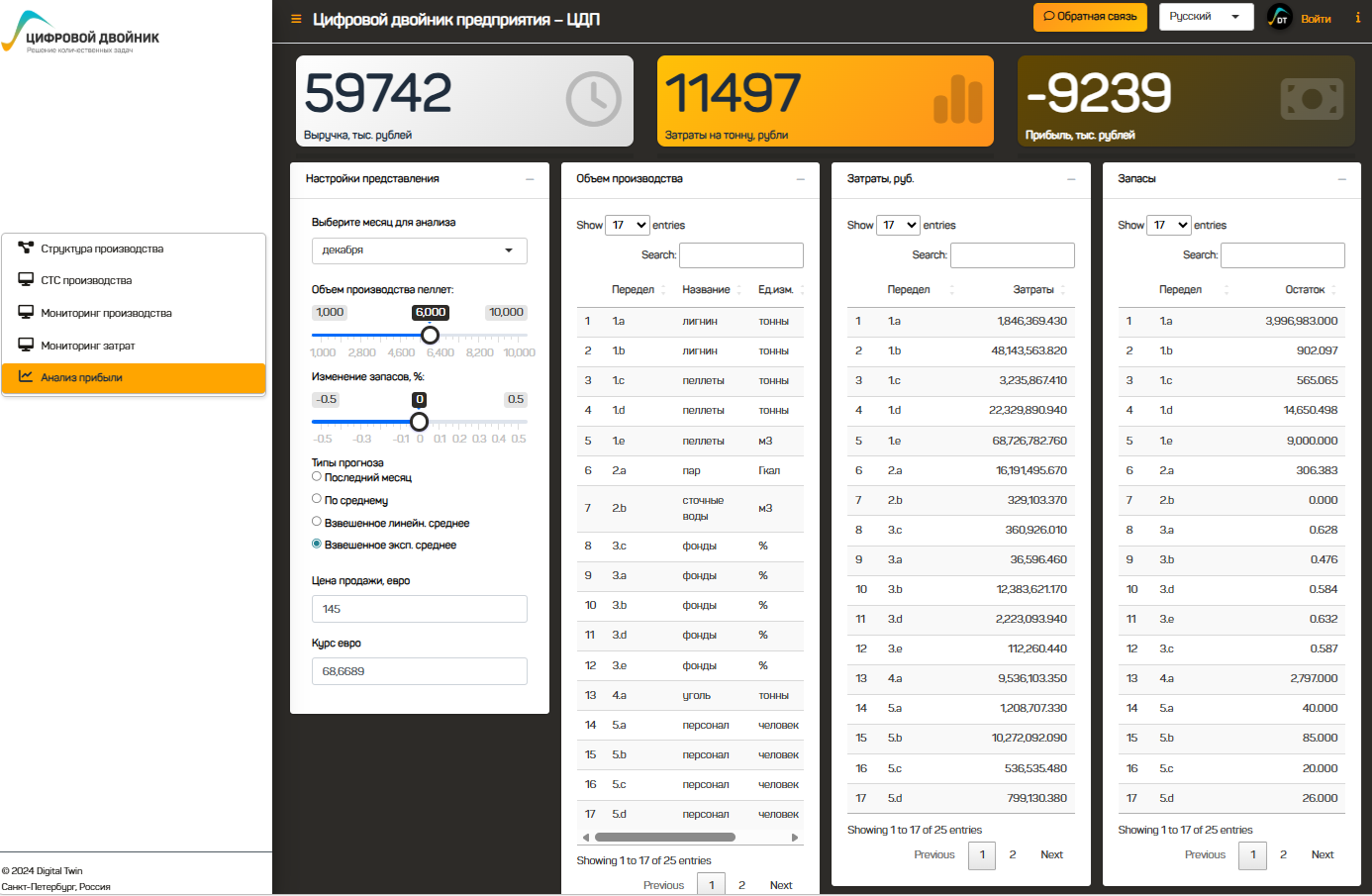
Figure 3 — Enterprise profit analysis: a screenshot from the asset.dtwin.ru stand
1. Enterprise leadership (top management)
Users:
- Chief Executive Officer;
- Chief Financial Officer (CFO);
- Chief Operating Officer (COO);
- Director of Strategy and Development.
Why they need the EDT:
- Making strategic decisions based on comprehensive data analysis;
- Tracking progress toward the enterprise’s goals and KPIs;
- Assessing the effectiveness of investment programs;
- Multi-scenario modeling of enterprise development options.
2. Heads of production and functional departments
Users:
- Heads of production shops and sections;
- Heads of the planning and economics department;
- Heads of supply and logistics services;
- Heads of energy and operations services.
Why they need the EDT:
- Tactical planning of production programs;
- Optimizing the use of material and energy resources;
- Managing product cost;
- Tracking the execution of production plans and standards.
3. Planning, economics, and finance services
Users:
- Economists and financial analysts;
- Budgeting and management accounting specialists;
- Investment planning specialists.
Why they need the EDT:
- Building and balancing production and financial plans;
- Calculating optimal capacity-utilization scenarios;
- Assessing investment projects and modernization programs;
- Preparing analytical notes and reports for leadership.
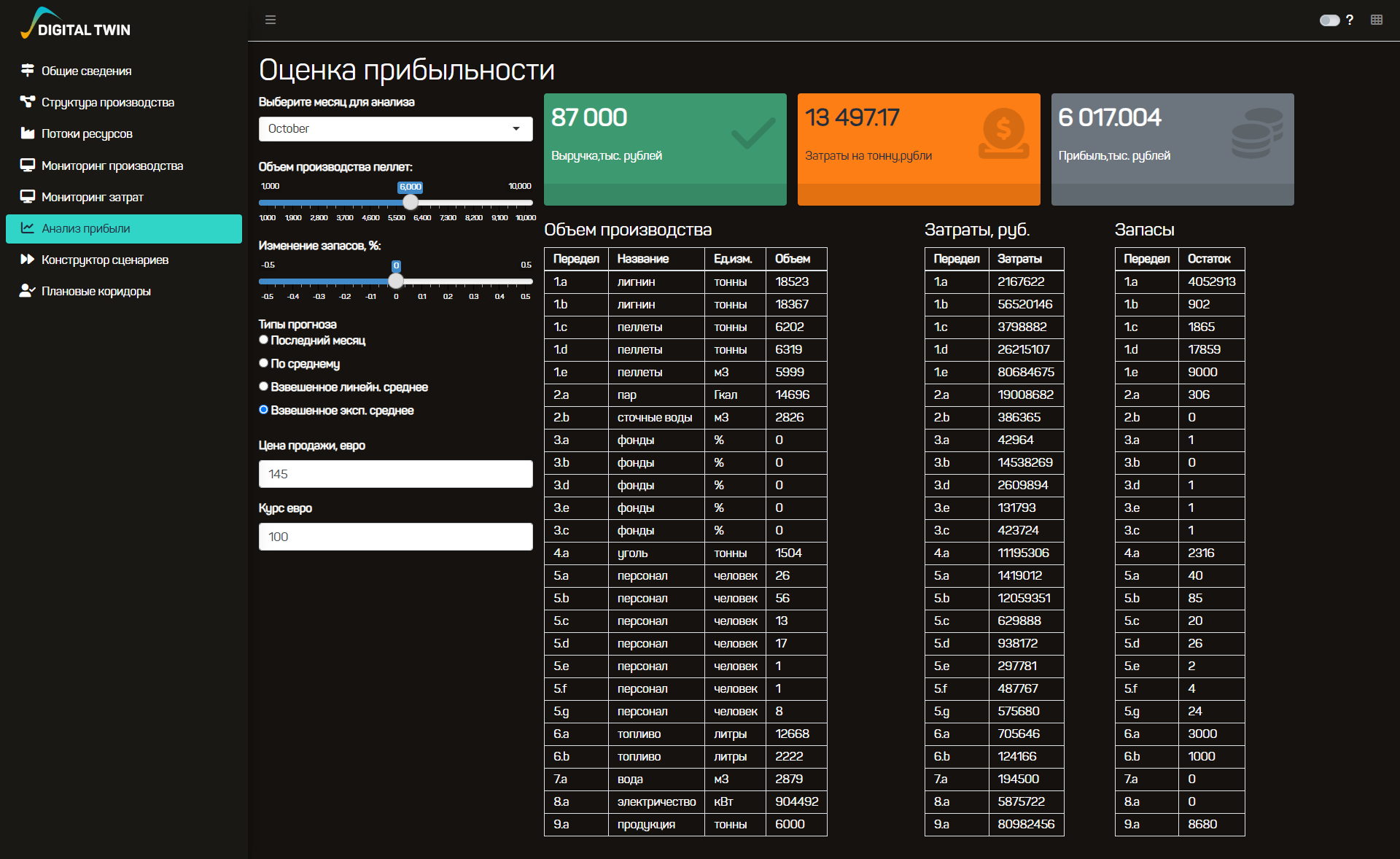
Figure 4 — Enterprise profitability assessment: analyzing revenue, costs, and inventory in the EDT
4. Analysts and process engineers
Users:
- Process engineers and process specialists;
- Data analysts;
- Modeling and optimization specialists.
Why they need the EDT:
- In-depth analysis of production and market data;
- Forecasting demand, supply, and product prices;
- Calculating optimal equipment operating modes;
- Identifying bottlenecks and suboptimal chains in production processes.
5. Operations and asset management service
Users:
- Maintenance and repair specialists;
- Reliability engineers;
- Occupational health and industrial safety specialists.
Why they need the EDT:
- Monitoring the integrity of infrastructure and production facilities;
- Optimizing operations and repair programs;
- Assessing and monitoring operational safety risks;
- Managing the lifecycle of production assets.
6. IT service and technical administrators
Users:
- System administrators;
- Information systems integration specialists;
- DevOps engineers.
Why they need the EDT:
- Setting up and maintaining the platform;
- Integrating with ERP, MES, BI, and other corporate systems;
- Managing role-based access and user permissions;
- Monitoring performance and ensuring fault tolerance.
Every group listed here — from strategic leadership to technical specialists — gains in the EDT platform a tool for objective assessment, decision support, and optimization of enterprise activity.