Chapter 4 Platform objectives
This chapter describes the key functional objectives the Enterprise Digital Twin (EDT) platform addresses during rollout and operation. They cover technical and organizational aspects as well as the substantive directions of modeling, optimization, and management that apply to enterprises across industries and scales.
EDT runs an end-to-end management loop: it collects and consolidates data, moves on to monitoring and analytics, and then drives scenario modeling, optimization, and the justification of management decisions.
4.1 Integrated management of production processes
One of the platform’s top-priority objectives is to build a centralized model of production processes that optimizes production lines and tracks financial and operational activity across the entire product range.
EDT removes the problem of fragmented management by creating a single structural and technological scheme (STS) that links every processing stage — from incoming raw materials to finished goods. This lets you:
- see the full picture of the production process in real time;
- spot bottlenecks and imbalances between processing stages;
- model the consequences of changes at any point in the chain;
- recalculate material and financial balances automatically when parameters change.
Integration with the enterprise’s ERP and MES systems collects data on the actual state of production automatically, which lets you move from manual planning to management based on a live digital model.
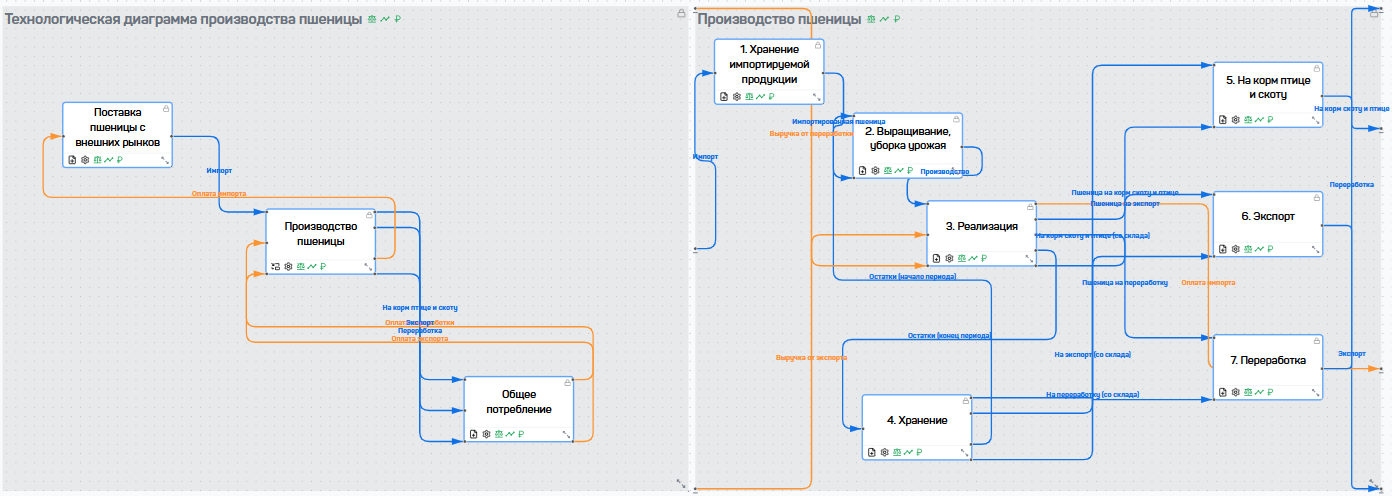
Figure 15 — Structural and technological scheme of wheat production
4.2 Logistics and supply chain optimization
The EDT platform provides tools to model and build optimal delivery routes for raw materials and finished goods using data analytics and mathematical models, including simulation modeling.
The logistics module rests on a resource-balance model that accounts not only for transport costs but also for storage costs, delivery times, supplier contract terms, and warehouse capacity limits. The system lets you:
- optimize the placement of warehouses and intermediate storage points;
- minimize transport costs and idle time;
- manage inventory based on demand forecasts and production plans;
- reduce the share of illiquid stock through accurate demand forecasting.
Scenario modeling of logistics flows lets you assess the consequences of changes ahead of time — from fuel price swings to switching suppliers or routes.
4.3 Market monitoring and forecasting
EDT continuously monitors raw material and product markets, including price dynamics analysis, demand forecasting, and market risk assessment. It builds a cost forecast from current data on the cost of raw materials, energy, and other expenses.
The monitoring system covers:
- price dynamics for raw materials and finished goods across the entire product range;
- macroeconomic factors that affect supply and demand;
- industry trends and seasonal swings;
- the competitive landscape and regulatory changes.
The platform builds forecast price corridors using correlation and stochastic models. When actual values move outside the corridor, that signals the need for corrective action, which lets the enterprise quickly adapt its production program and pricing policy.
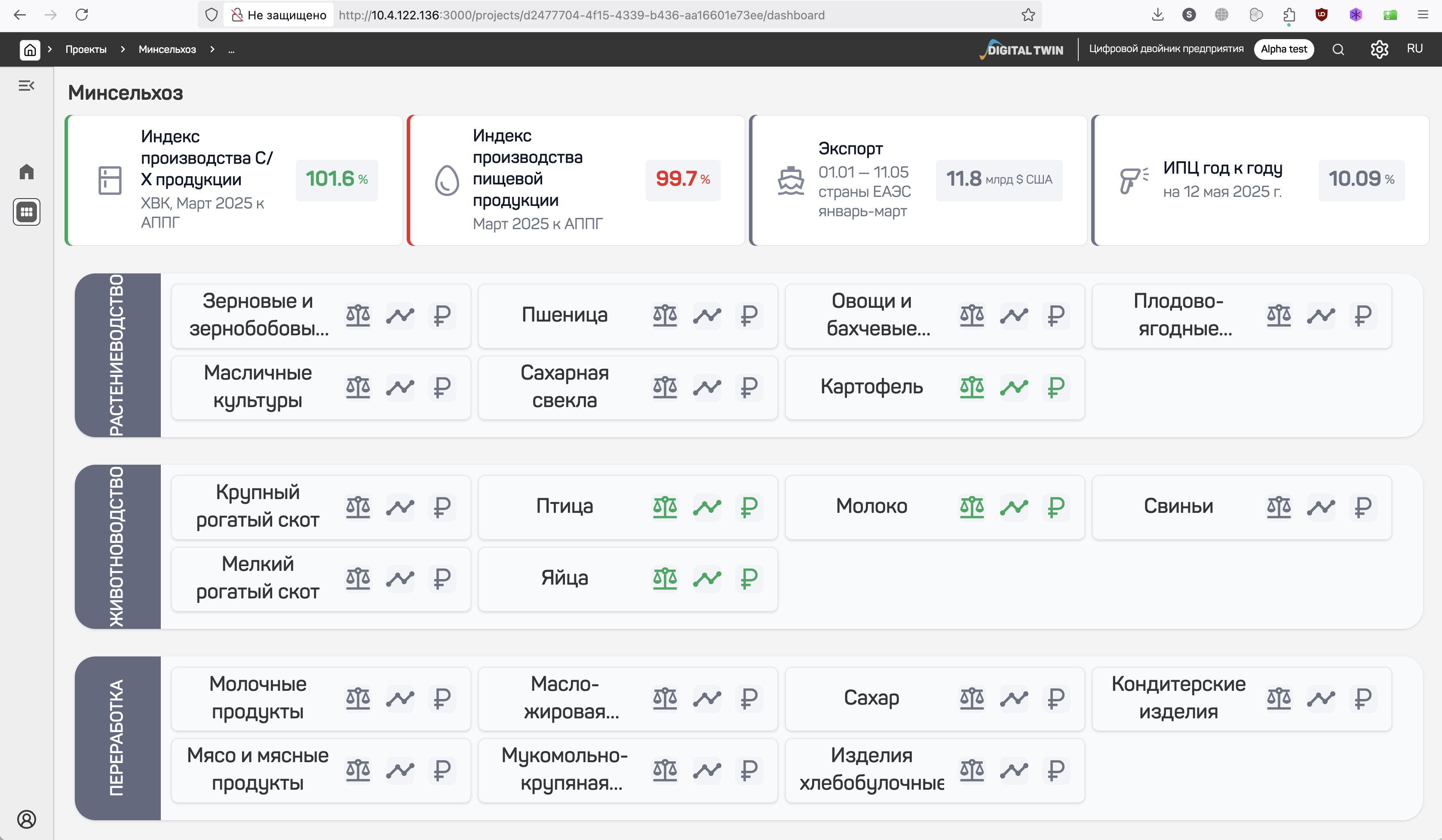
Figure 16 — Executive dashboard: production indices and product range by category
4.4 Financial modeling and liquidity management
The platform offers advanced financial modeling, including cash flow analysis, revenue and expense forecasting, and enterprise liquidity management.
The EDT financial model integrates with the production model — so a change in production parameters automatically flows through to the financial forecasts, and the reverse holds too. This connectedness delivers:
- end-to-end cost calculation from raw materials to finished goods;
- cash flow forecasting that accounts for seasonality and market factors;
- scenario analysis of financial metrics (break-even points, working capital needs, borrowing needs);
- timely detection of financial risks and liquidity shortfalls.
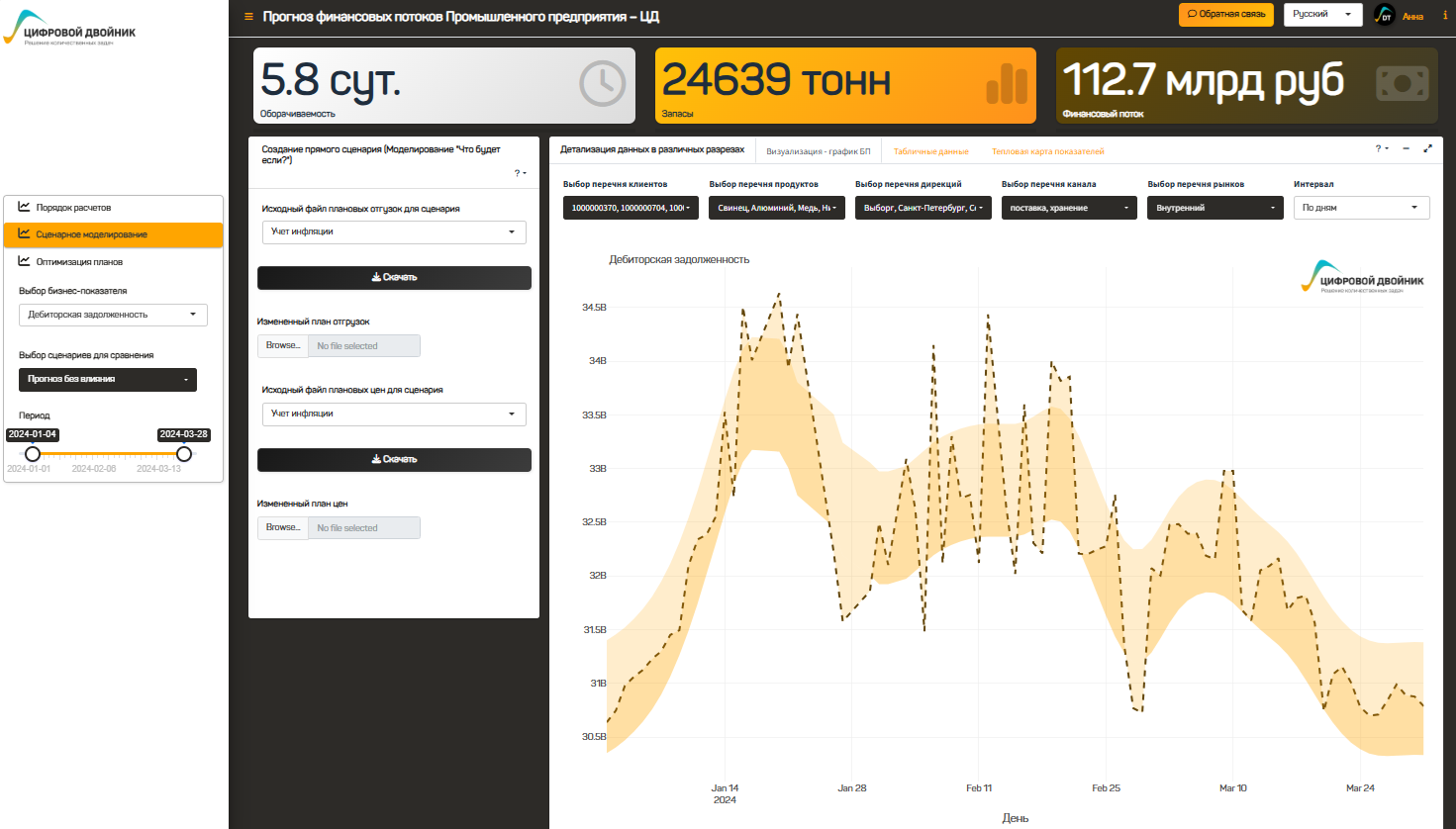
Figure 17 — Scenario modeling in EDT: multi-scenario calculations of the consequences of management decisions
Rollout raises the enterprise’s profitability and financial stability through well-grounded management of financial resources.
4.5 Managing production capacity and equipment utilization
EDT addresses comprehensive management of production capacity, including monitoring current utilization, forecasting demand, and scenario modeling of modernization options. It tracks the equipment life cycle and plans maintenance and repairs (M&R) by integrating ERP and MES data with resource-balance models.
The platform delivers:
- an assessment of how well installed and available capacity align across all processing stages;
- the discovery of potential to raise utilization without additional capital spending;
- forecasting of wear timelines and the need to replace equipment;
- optimization of M&R schedules with minimal impact on the production program.
This approach raises equipment utilization by 15–20%, prevents unplanned downtime, and sustains stable output.
4.6 Operations management
Maintaining the integrity of production infrastructure and optimizing operating programs are critical objectives for industrial enterprises with capital-intensive assets. EDT provides tools for systematic operations management that minimize failures and lower operating costs.
The platform combines data on equipment condition, repair history, loads, and operating conditions into a single model, which lets you:
- build optimal maintenance programs;
- forecast failures by analyzing trends and patterns;
- assess the technological reliability and safety of production systems;
- make well-grounded decisions about repairing, modernizing, or replacing equipment.
The result is fewer emergency outages, longer equipment service life, and a substantial drop in maintenance costs.
4.7 Production optimization
EDT provides tools for comprehensive optimization of production processes — from finding bottlenecks to building an optimal production program. Optimization accounts for production chains, cost, capacity limits, and the enterprise’s target metrics.
Optimization rests on linear and nonlinear programming models that find the best solutions under multiple constraints:
- balancing output volumes across processing stages to minimize losses;
- optimal distribution of raw materials and energy across production lines;
- building a production program that maximizes profit under given constraints;
- ranking bottlenecks and opportunities to raise efficiency.
Applying optimization models reduces raw material and energy consumption, cuts costs, and makes production more resilient to external changes.
4.8 Planning and justifying investment programs
The platform provides systematic analysis to build investment plans that account for enterprise growth forecasts, modernization needs, and strategic development goals. EDT lets you justify every investment decision quantitatively, assessing its impact on production and financial metrics.
Investment modeling covers:
- the payback assessment of modernization and expansion projects;
- analysis of how investment affects production capacity, cost, and profitability;
- comparative analysis of alternative investment scenarios;
- planning capacity growth based on market forecasts.
The result is a higher return on investment, lower investment risk, and support for the enterprise’s strategic development based on data rather than intuition.
4.9 Forecasting and risk management
EDT provides a comprehensive risk management model that covers production and economic operations as well as the market context. This improves decision-making, reduces potential losses, and prevents slowdowns in production growth.
The risk management system covers:
- production risks (equipment failures, process violations, raw material shortages);
- financial risks (price swings, currency risks, liquidity shortfalls);
- market risks (shifts in demand, competitor moves, regulatory changes);
- environmental and regulatory risks (compliance, accident prevention).
The platform supports early warning: calculated corridors reflect the stability of metrics, and moving outside a corridor automatically signals the need to intervene.
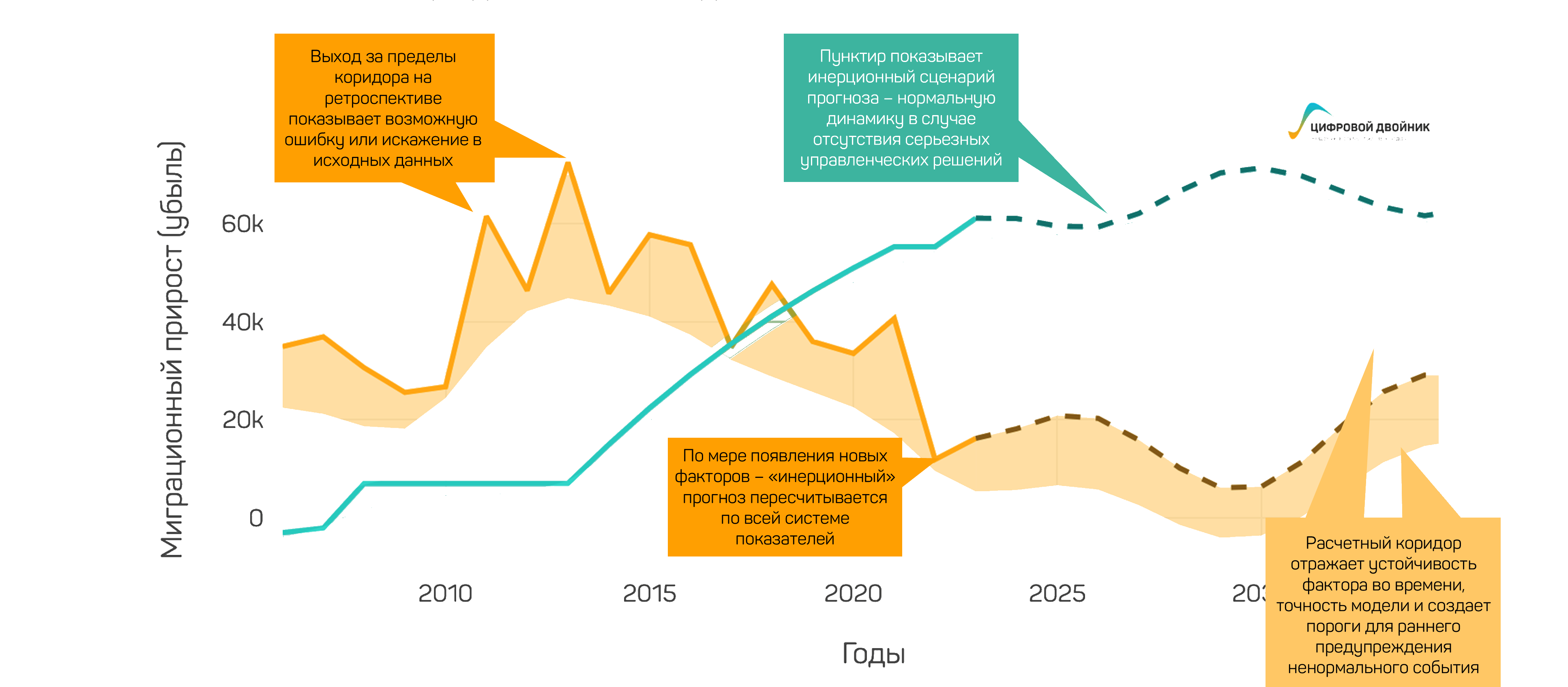
Figure 18 — Inertial forecasting: calculated corridors of acceptable values and early risk warning
4.10 Data transparency and verification to support management decisions
EDT builds a centralized system for collecting and analyzing data, integrating ERP, MES, and other corporate systems. It verifies data through automatic completeness and consistency checks, version control, and logging of every change.
Management transparency works at every level:
- for top management — the real state of the enterprise at any moment and control over goal achievement;
- for middle management — the state of production, inventory levels, and plan-versus-actual analysis;
- for specialists — detailed analytics, access to historical data, and tools to test hypotheses.
A single information base removes conflicts between departments working with different versions of data, builds trust in analytics across the company, and ensures the traceability of every management decision.
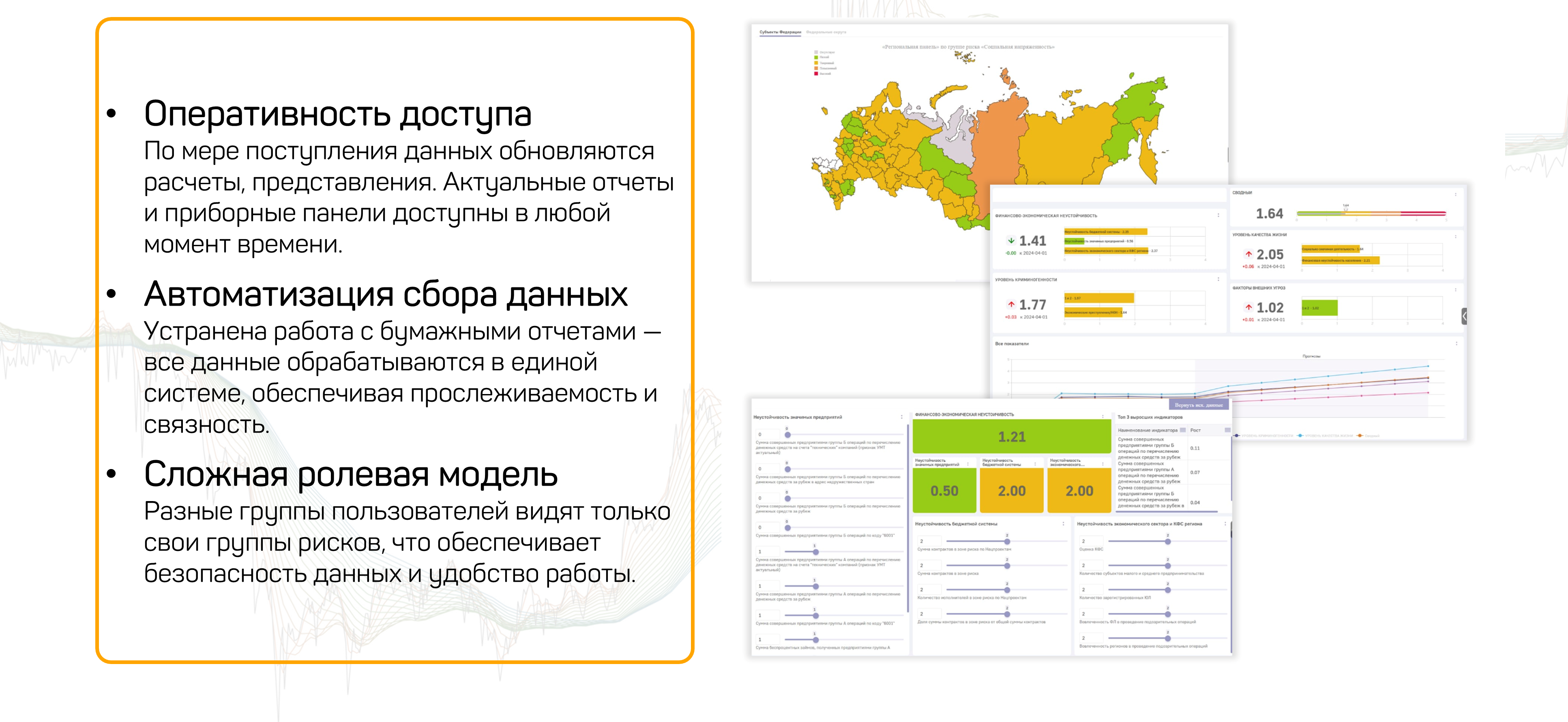
Figure 19 — Real-time collection, calculation, and visualization: data automation and a role-based access model