Chapter 11 Conclusion
11.1 Summary
The Enterprise Digital Twin (EDT) is a comprehensive solution that helps industrial enterprises manage more efficiently by adopting advanced digital modeling technologies.
11.1.1 Key advantages of the EDT
What makes the EDT unique:
1. Comprehensiveness
- A single model of the entire enterprise
- Coverage of the full value chain
- Integration of every process
2. Resource-balance model
- A unique mathematical foundation
- Modeling of resource flows
- Accounting for process dynamics
3. Import substitution
- A fully Russian solution
- Compliance with information security requirements
- Independence from sanctions
4. Proven effectiveness
- Successful deployments
- Measurable results
- Payback in 12-18 months
11.1.2 Achieved results
Economic indicators:
- Cost reduction: 10-15%
- Revenue growth: 10-20%
- Profit increase: 15-25%
- Three-year ROI: 200-400%
Operational indicators:
- Equipment utilization: +15-20%
- Inventory reduction: -15-25%
- Faster planning: 10-20 times
- Forecast accuracy: 85-90%
Management effects:
- Transparent management
- Well-grounded decisions
- Lower risks
- Quick adaptation to change
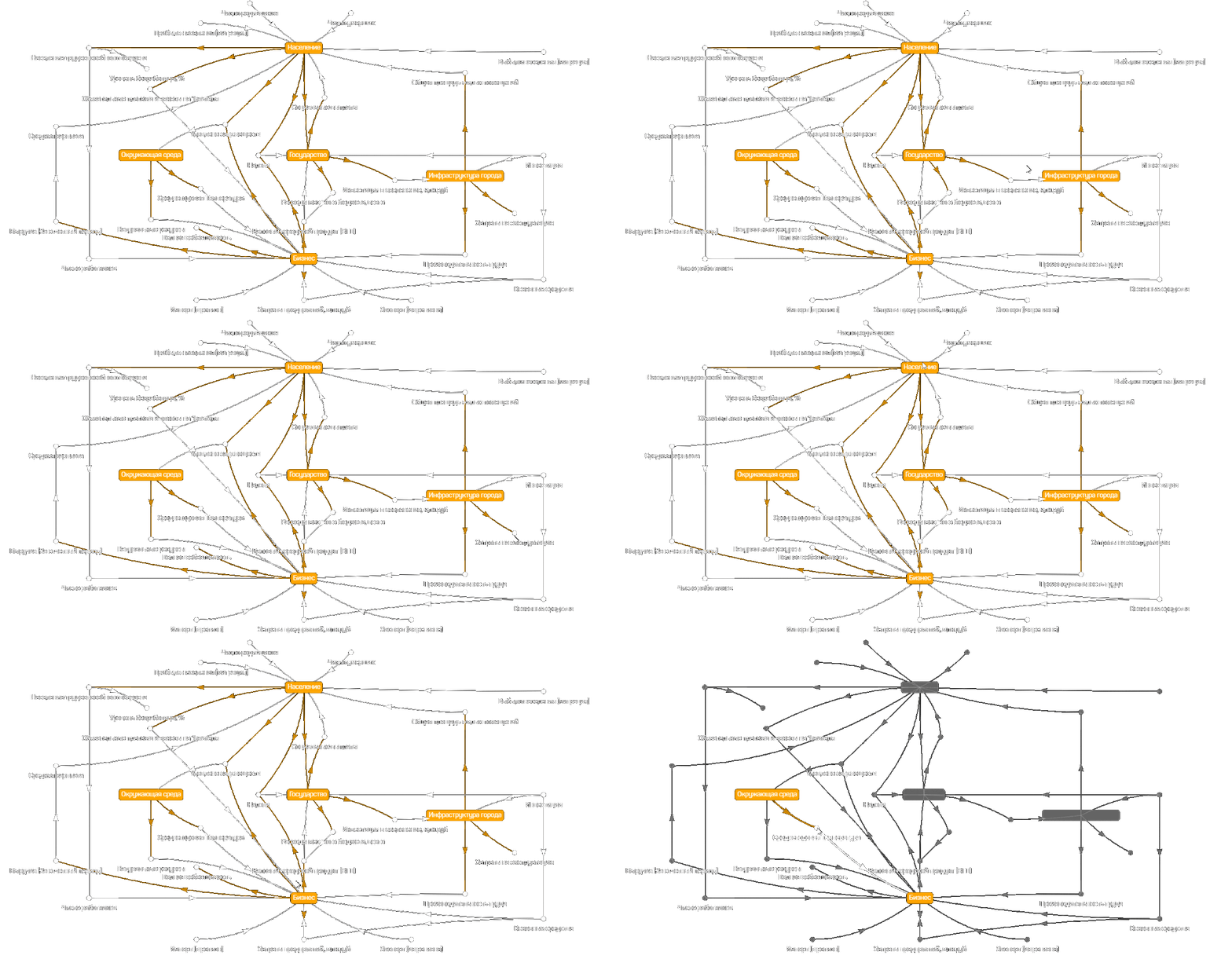
Figure 64 — Structural cause-and-effect model of the territorial Digital Twin (CDT)
11.2 Development roadmap
11.2.1 Current version (2026)
Core capabilities:
- Data management module
- Monitoring and control module
- Analysis and assessment module
- Forecasting module
- Strategic optimization module
- Integration with ERP/MES
- Interactive dashboards
Limitations:
- Mobile app - in development
- AI assistant - planned
- Expanded library of industry models - in development
11.2.2 Near-term plans (2026-2027)
New functionality:
Q2-Q3 2026:
- Mobile app for KPI monitoring
- AI assistant for tips and recommendations
- Expanded library of industry models
Q4 2026 - Q1 2027:
- Risk management module
- Automatic anomaly detection
- Predictive analytics
- Self-learning models
Improvements:
- Faster calculation performance
- A better user interface (UX/UI redesign)
- Broader integrations (new ERP/MES systems)
- Automated model setup (AutoML)
11.2.3 Outlook (2027-2029)
Strategic vision:
A platform for an ecosystem:
- Integration of the EDT with the CDT (City Digital Twin)
- Integration with the PDT (Pipeline Digital Twin)
- A single platform for comprehensive management
- An ecosystem of digital twins
Cloud version:
- SaaS model
- Subscription billing
- Access from anywhere in the world
- Automatic updates
Marketplace:
- A store for models and components
- A partner ecosystem
- Ready-made solutions for industries
- Customization to fit your needs
Scaling:
- New industries (agriculture, energy, transport)
- International expansion (CIS, BRICS)
- Growing the partner ecosystem
- A user community
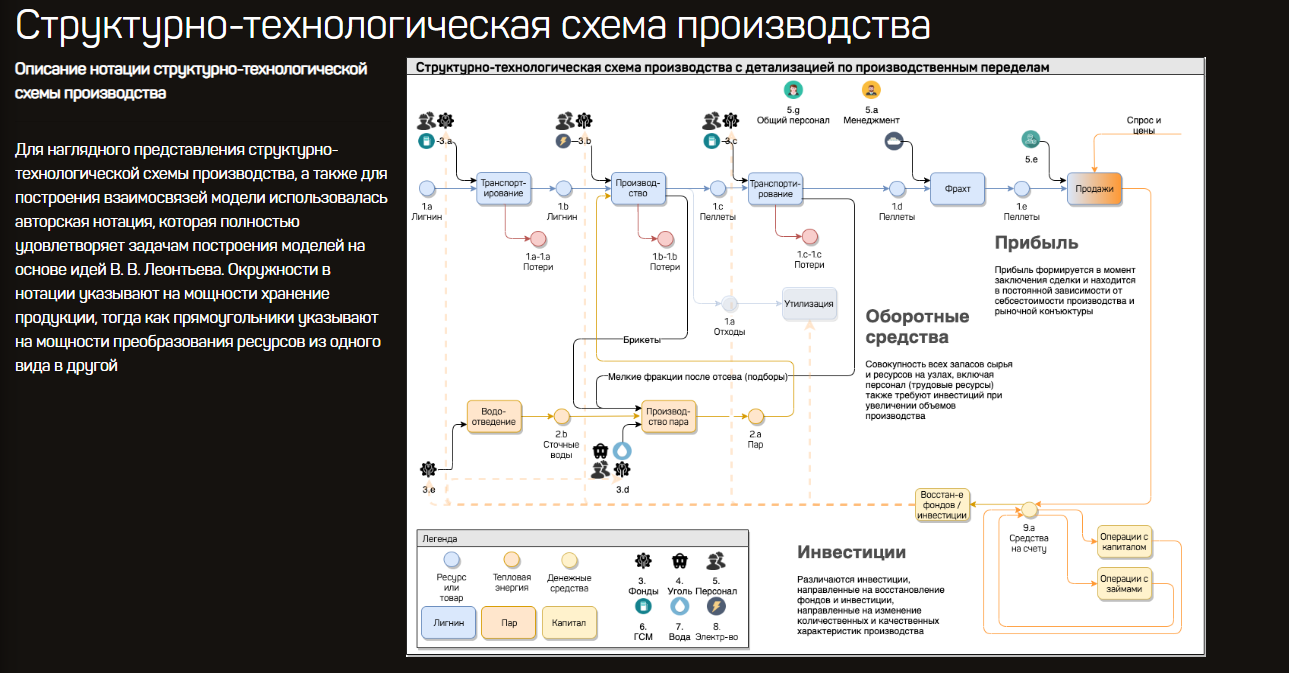
Figure 65 — Structural-technological diagram: notation and overview of the EDT approach
11.3 How to get started with the EDT
11.3.1 Step 1: Demo
How to request one:
- Email: sales@dtwin.ru
- Phone: +7 (XXX) XXX-XX-XX
- Form on the website: https://dtwin.ru
Format:
- A 60-90 minute online presentation
- A demo on real data
- A discussion of your needs
- An applicability assessment
What we will show:
- The system’s core modules
- Examples of calculations and modeling
- Interfaces and dashboards
- Integrations with ERP/MES
- Deployment examples
11.3.2 Step 2: Pilot project
Terms:
- Testing within a limited scope (1-2 units)
- Duration: 2-3 months
- Cost: discussed individually
- Effectiveness assessment on your data
Pilot outcome:
- Verification of applicability for your enterprise
- An ROI calculation on real data
- A decision on scaling
- A detailed deployment plan
11.3.3 Step 3: Consultation
How to get one:
- A request by email
- The form on the website
- A call to the sales department
Format:
- A meeting with experts (online or in person)
- Duration: 1-2 hours
- A discussion of your needs and options
Outcome:
- A preliminary statement of work
- A timeline estimate
- A cost estimate
- A deployment roadmap
11.4 Contacts
11.4.1 Sales department
Email: sales@dtwin.ru Phone: +7 (XXX) XXX-XX-XX Telegram: @dtwin_sales
Hours: Mon-Fri 9:00-18:00 (MSK)
11.4.2 Technical support
Email: support@dtwin.ru Phone: +7 (XXX) XXX-XX-XX Portal: support.dtwin.ru
Hours: 24/7 for critical incidents
11.4.3 Training
Email: training@dtwin.ru Website: training.dtwin.ru Course schedule: on the website
11.4.4 Partnership
Email: partners@dtwin.ru Website: partners.dtwin.ru Terms: on the website
11.5 Additional materials
11.5.1 Online resources
Company website:
- https://dtwin.ru - main website
- https://www.the-digital-twin.com - English version
Documentation:
- https://dte-openbook.dtwin.ru/ - the “Enterprise Digital Twin” open book
- https://openbook.dtwin.ru - the CDT open book
- https://dtcbook.dtwin.ru - the PDT book
11.5.2 Documents to download
Presentations:
- Product presentation (PDF)
- Deployment examples (PDF)
- Technical specifications (PDF)
Commercial proposals:
- Request by email: sales@dtwin.ru
11.6 Acknowledgments
We thank all our customers and partners for their trust and cooperation. Your experience and feedback help us grow the product and make it better.
Special thanks to the development team for building a unique solution and to the deployment team for their successful projects.
11.7 Closing words
The EDT is more than a software product. It is a platform for transforming your business, a tool for boosting competitiveness, and a foundation for innovation.
We invite you to join the enterprises that already use advanced digital modeling technologies to reach their goals.
Request a demo or a consultation to see how the EDT will solve your specific challenges!
sales@dtwin.ru +7 (XXX) XXX-XX-XX https://dtwin.ru
Thank you for your attention!
Document version: 1.0 Publication date: February 2026 Status: Open product book
© 2026 Digital Twin LLC. All rights reserved.