Chapter 8 Types of support
8.1 Methodological support
8.1.1 System documentation
Technical documentation:
- Administrator guide
- User guide
- Programmer guide
- API documentation
Methodological materials:
- System rollout methodology
- Model configuration methodology
- Results interpretation methodology
- Usage best practices
8.1.2 User training
Training programs:
| Role | Duration | Format | Content |
|---|---|---|---|
| Administrators | 3 days | In person / online | Installation, configuration, administration |
| Analysts | 5 days | In person / online | Working with models, analysis, forecasting |
| Executives | 1 day | In person | Using dashboards, interpreting results |
| Specialists | 2 days | Online | Working with reports, basic analytics |
Learning materials:
- Video lessons
- Step-by-step instructions
- Interactive simulators
- Knowledge base
8.1.3 Rollout methodology
Rollout stages:
1. Preparation (1-2 months)
- Enterprise survey
- Analysis of existing systems
- Requirements definition
- Rollout plan development
2. Pilot rollout (2-3 months)
- System installation
- Integration with data sources
- Configuration of baseline models
- Testing on a limited scope
3. Scaling (2-4 months)
- Expansion to all units
- Configuration of all modules
- User training
- Loading historical data
4. Production operation
- Switch to production mode
- System monitoring
- Technical support
- Enhancements and refinements
8.1.4 Standards and regulations
Project documentation standards:
We develop project documentation in line with:
- GOST 34.601-90 “Stages of creating automated systems”
- GOST 34.602-2020 “Technical specification”
- GOST 34.201-2020 “Types and completeness of documents”
- GOST R 59795-2021 “Requirements for document content”
- GOST 19.101-2024 “Types of programs and program documents”
Standards the product complies with:
- GOST R 51904-2002 “Software for embedded systems. General requirements for development and documentation”
- GOST 34.602-2020 (regarding requirements for automated system functionality)
- GOST 34.201-2020 (regarding requirements for automated system composition)
Internal regulations:
- Data update regulation
- Backup regulation
- Access management regulation
- System monitoring regulation
8.1.5 Methodological framework
In 2026 we plan to design the architecture of a decision support system built on forecasting models and to anchor it with methodological support that includes 8 methodologies:
1. Methodology for building single-product balances
2. Methodology for forecasting demand, supply, and prices for agro-industrial products
3. Methodology for scenario-based and target modeling
4. Methodology for assessing the impact of management decisions
5. Methodology for plan-versus-actual and factor analysis
6. Methodology for requirements on source data and indicators
7. Regulation for applying forecasting and modeling results
8. Regulation for reproducibility, versioning, and audit of calculations
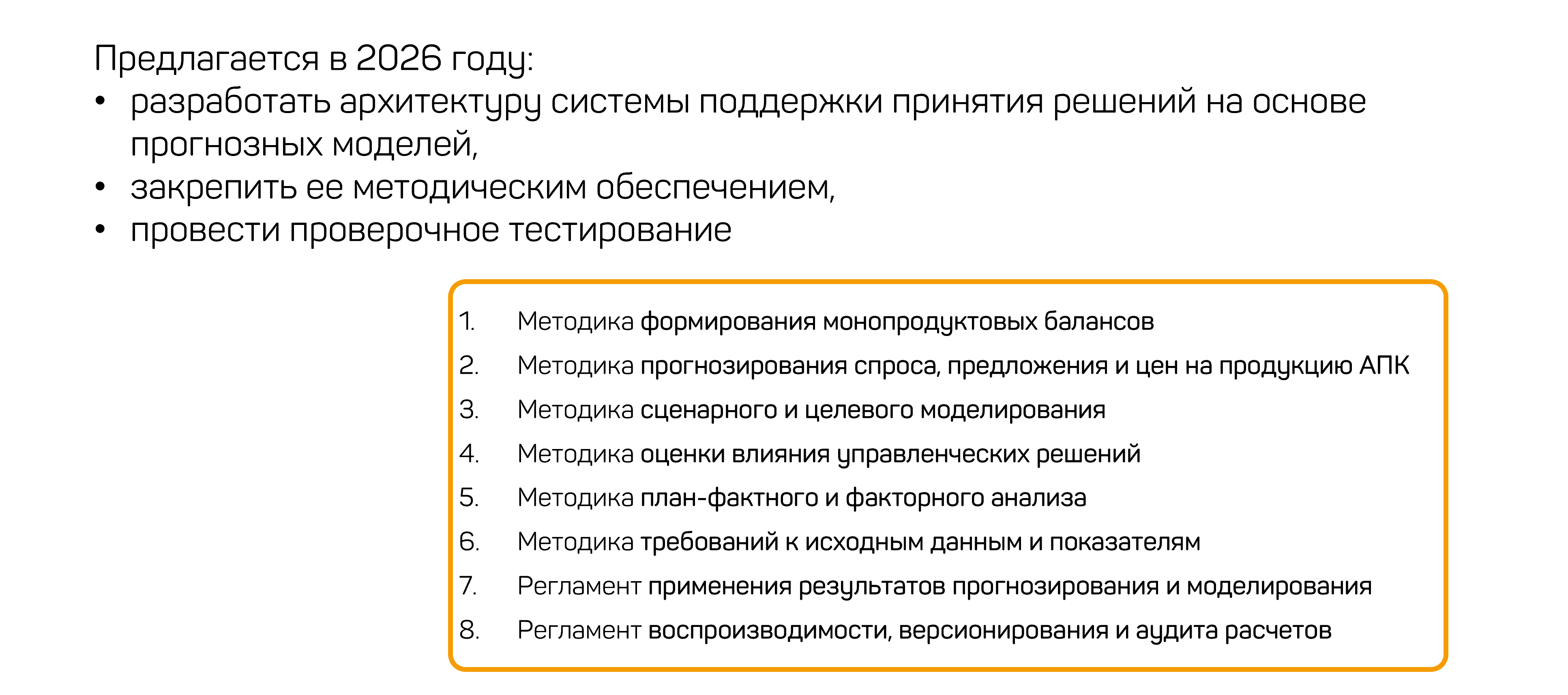
Figure 44 — Proposals for the methodological framework and its testing
8.2 Mathematical support
8.2.1 Resource-balance model
Concept:
A unique mathematical model that links all enterprise processes through a system of differential equations.
Core equations:
Material resource balance:
dM/dt = Input(t) - Output(t) - Loss(t)where:
- M - material stock
- Input - inflow
- Output - consumption
- Loss - losses
Financial flow balance:
dF/dt = Revenue(t) - Costs(t) - Investments(t)where:
- F - financial state
- Revenue - revenue
- Costs - costs
- Investments - investments
Production capacity balance:
Capacity(t) = Available(t) - Utilization(t) - Downtime(t)Model advantages:
- Captures process dynamics
- Links all elements of the enterprise
- Models behavior over time
- Forecast accuracy
The mathematical foundations of the resource-balance model describe how the resource flow operates through the vector R(t) and the transfer functions F(R(t),t) for each type of economic activity. The resource vector includes 7 components: revenue obligations, products, income, receipts, end-of-period assets/liabilities, and infrastructure.
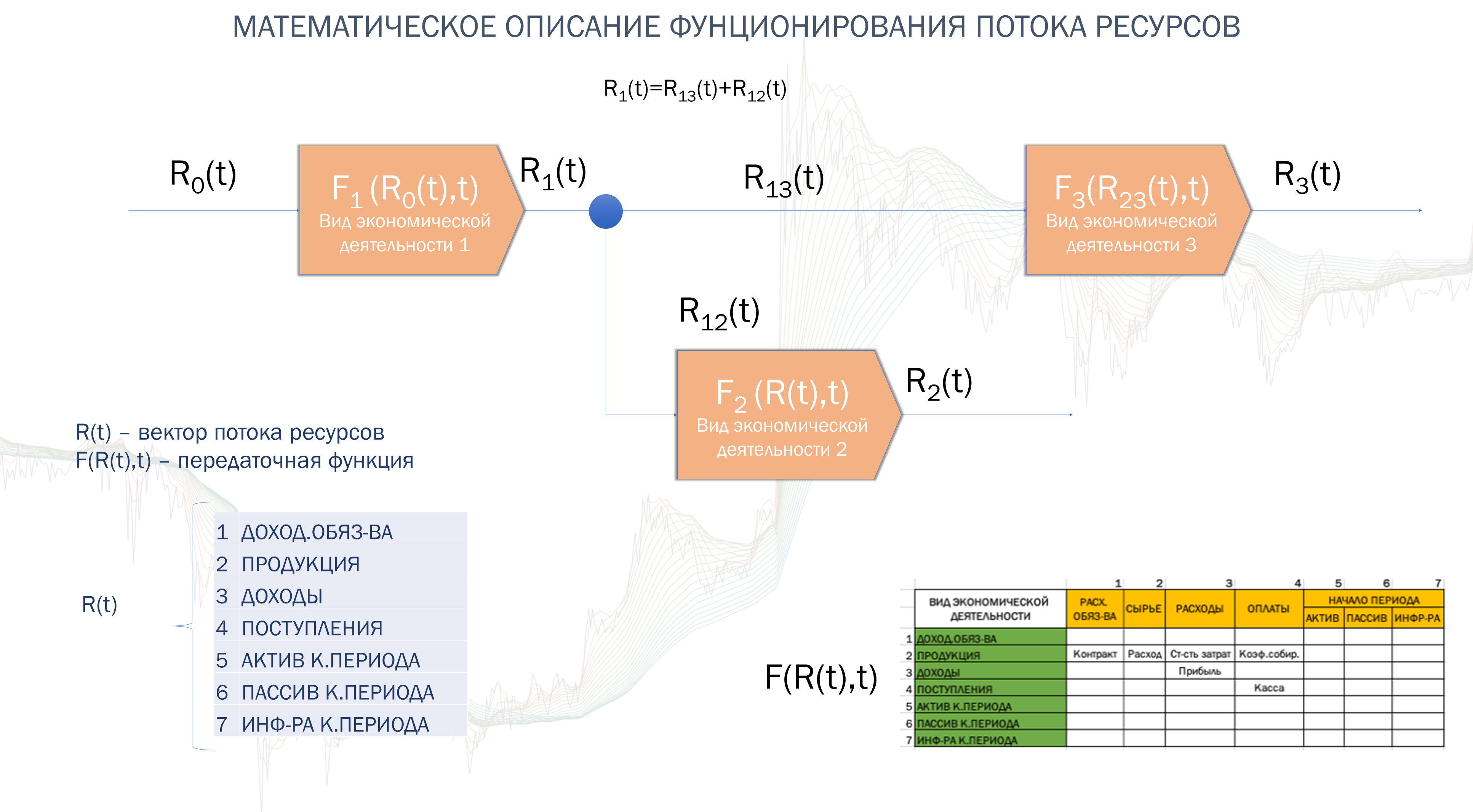
Figure 45 — Mathematical description of how the resource flow operates: the vector R(t) and transfer functions
At the production level, the model is described by a system of differential equations that link production volumes Q(t), revenue B(t)=T·Y(t), consumption Y(t)=b·Q(t), monetary costs L(t)=R(t)·C(t), physical resources R(t), and subsidies B_c(t).
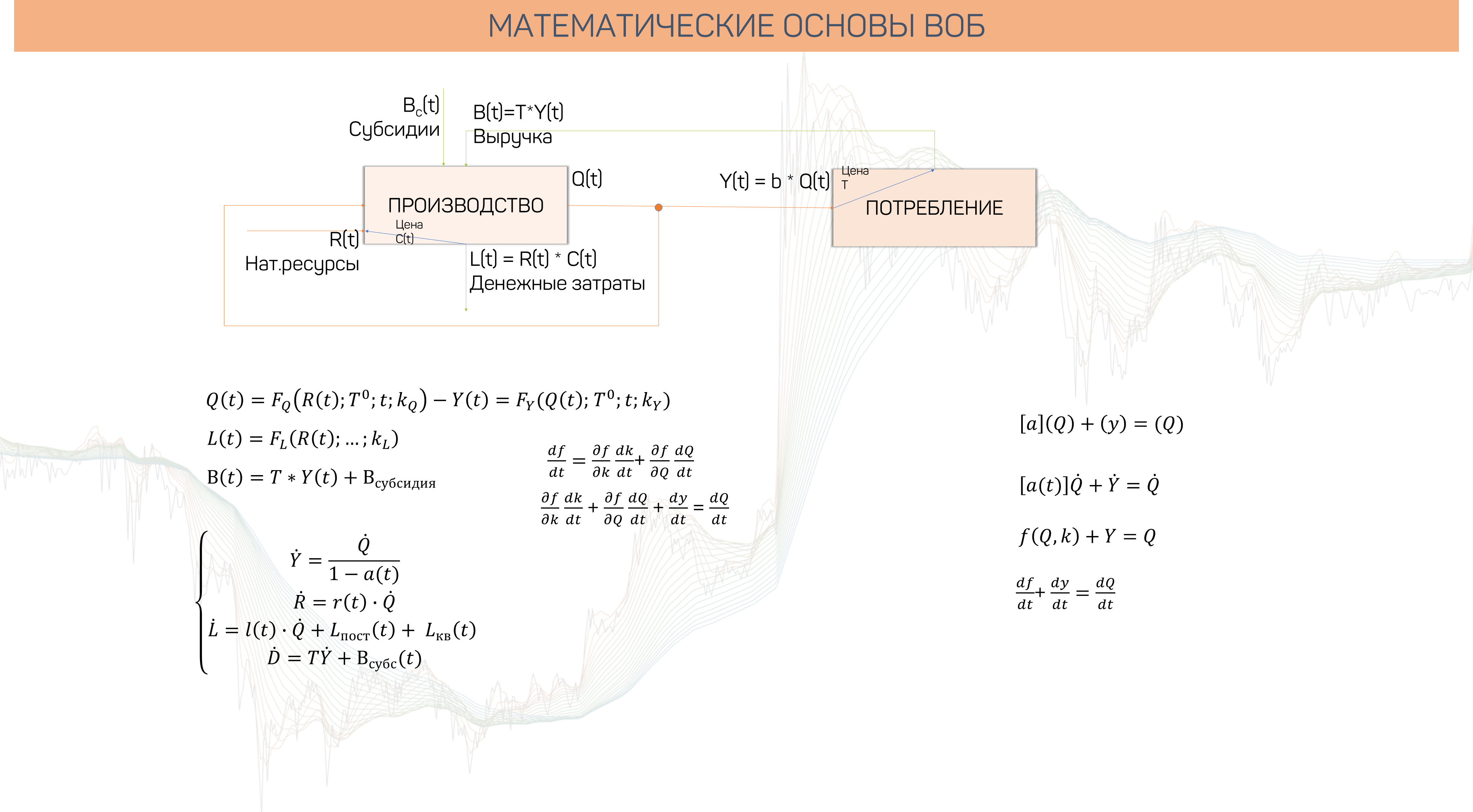
Figure 46 — Mathematical foundations of the resource-balance model: the system of production and consumption equations
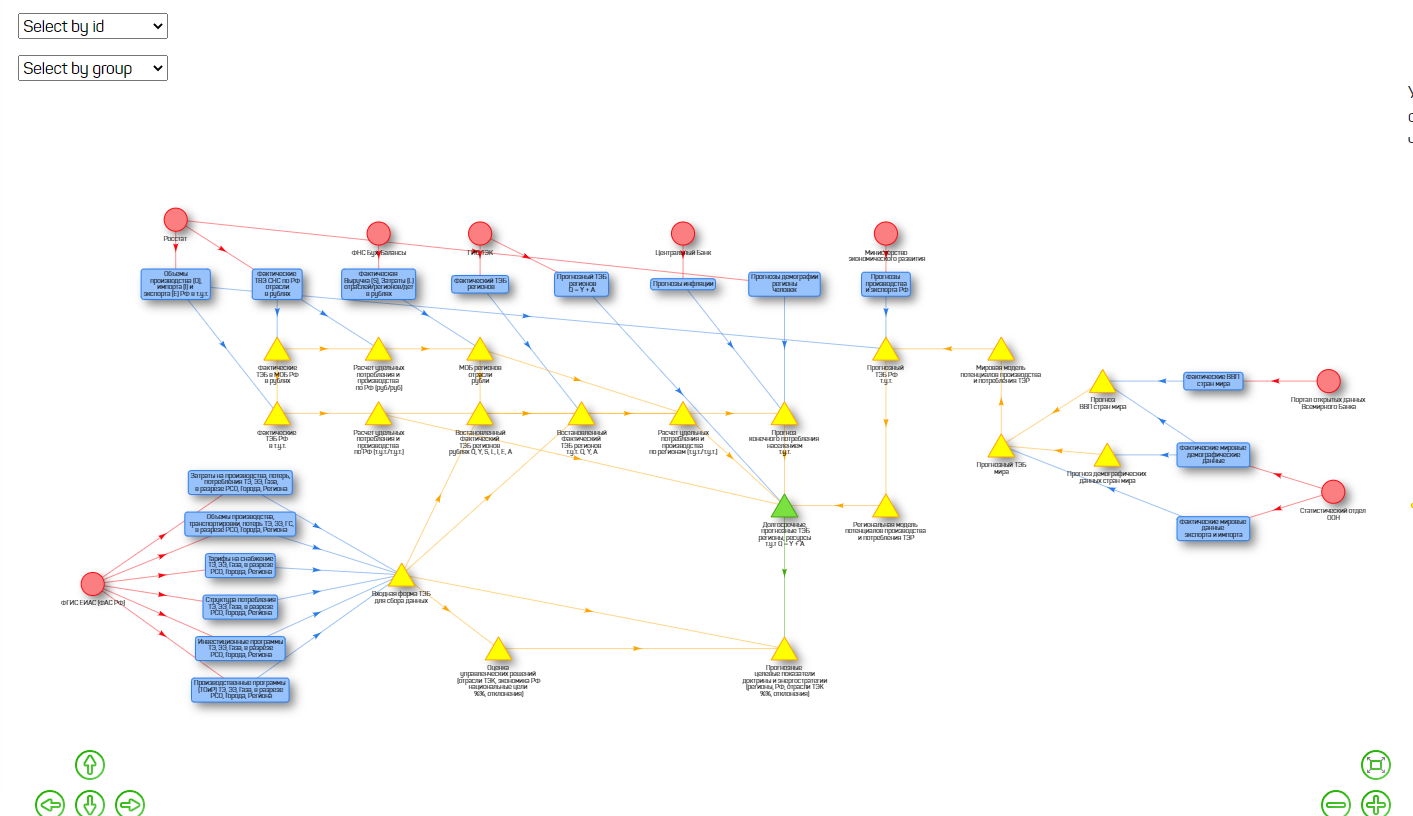
Figure 47 — Diagram of the agro-industrial resource-balance model: nodes, links, and calculation chains
8.2.2 Forecasting models
Time series:
ARIMA (AutoRegressive Integrated Moving Average):
y(t) = c + φ₁y(t-1) + ... + φₚy(t-p) + θ₁ε(t-1) + ... + θqε(t-q) + ε(t)Exponential smoothing (ETS):
Forecast = α·Actual + (1-α)·Previous_ForecastProphet (Facebook):
- Trend + seasonality + holidays + outliers
- Automatic parameter tuning
- Robustness to missing data
Machine learning:
- Random Forest
- XGBoost
- LSTM (for complex patterns)
8.2.3 Optimization models
Linear programming:
General form:
Maximize: c₁x₁ + c₂x₂ + ... + cₙxₙ

Subject to:
  a₁₁x₁ + a₁₂x₂ + ... + a₁ₙxₙ ≤ b₁
  a₂₁x₁ + a₂₂x₂ + ... + a₂ₙxₙ ≤ b₂
  ...
  x₁, x₂, ..., xₙ ≥ 0
Use cases:
- Optimizing the production program
- Procurement planning
- Resource allocation
Integer programming:
Use cases:
- Selecting investment projects
- Transportation routing
- Maintenance planning
Nonlinear optimization:
Use cases:
- Optimizing process regimes
- Minimizing energy consumption
- Portfolio balancing
8.2.4 Statistical methods
Descriptive statistics:
- Mean, median, mode
- Variance, standard deviation
- Quartiles, percentiles
- Coefficient of variation
Correlation analysis:
- Pearson coefficient
- Spearman coefficient
- Partial correlation
- Cross-correlation
Regression analysis:
- Linear regression
- Multiple regression
- Logistic regression
- Polynomial regression
Time series analysis:
- Decomposition (trend, seasonality, residuals)
- Autocorrelation
- Stationarity (Dickey-Fuller test)
- Cointegration
8.2.5 Model library
Industry models:
Oil and gas:
- Oil and gas production model
- Refining model
- Transportation model
Metallurgy:
- Blast furnace production model
- Rolling mill model
- Energy balance model
Chemical industry:
- Chemical reaction model
- Rectification model
- Blending model
Agriculture:
- Crop growing model
- Processing model
- Storage model
Using agriculture as an example, the external factors model (consumption model) includes a demographic model (after S.P. Kapitsa), a system dynamics model (after J. Forrester), calibration of a macroeconomic model, the search for correlation relationships, and the building of forecasts. The production model describes the dynamic balance of resource flows along the process chain, assessing the impact of external factors and building scenarios.
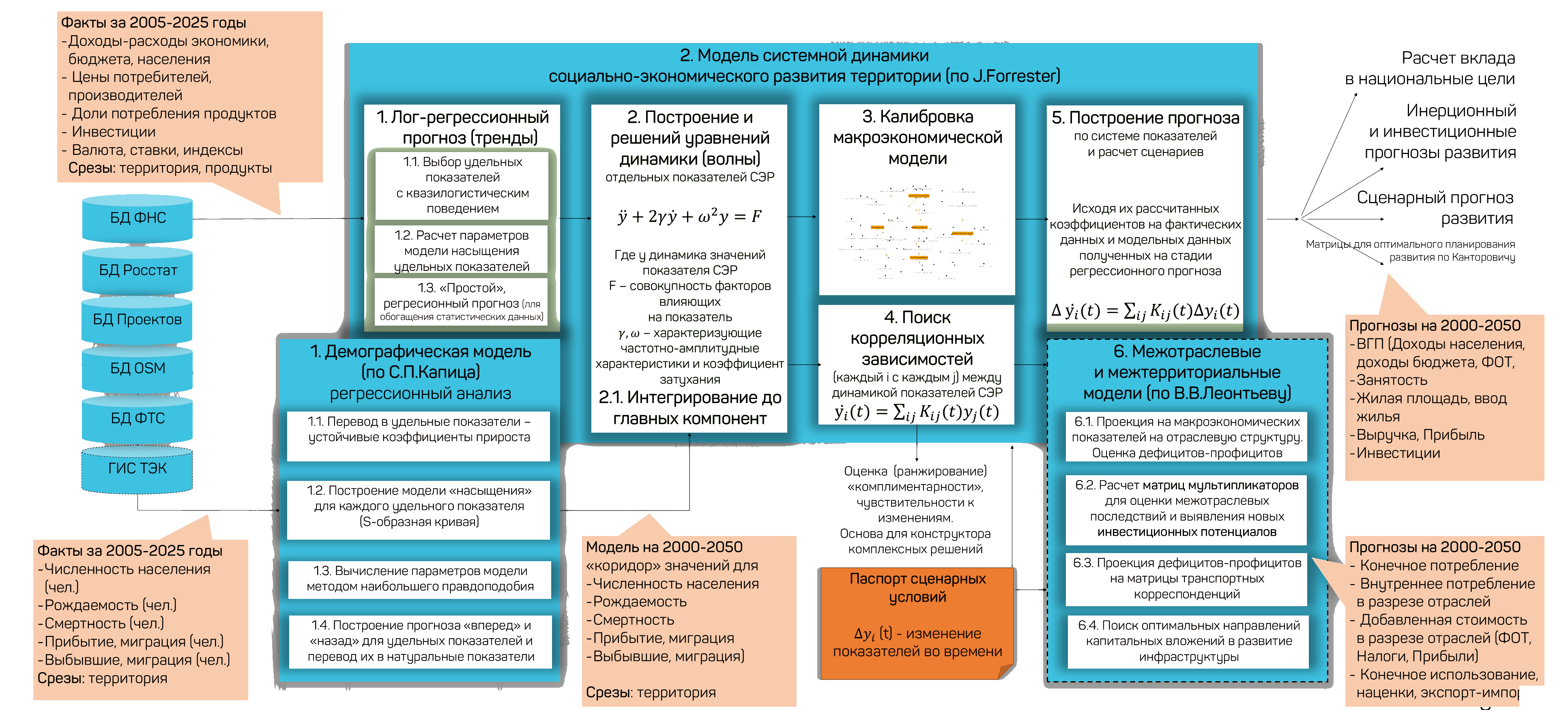
Figure 48 — External factors model (consumption): from demographics to forecast
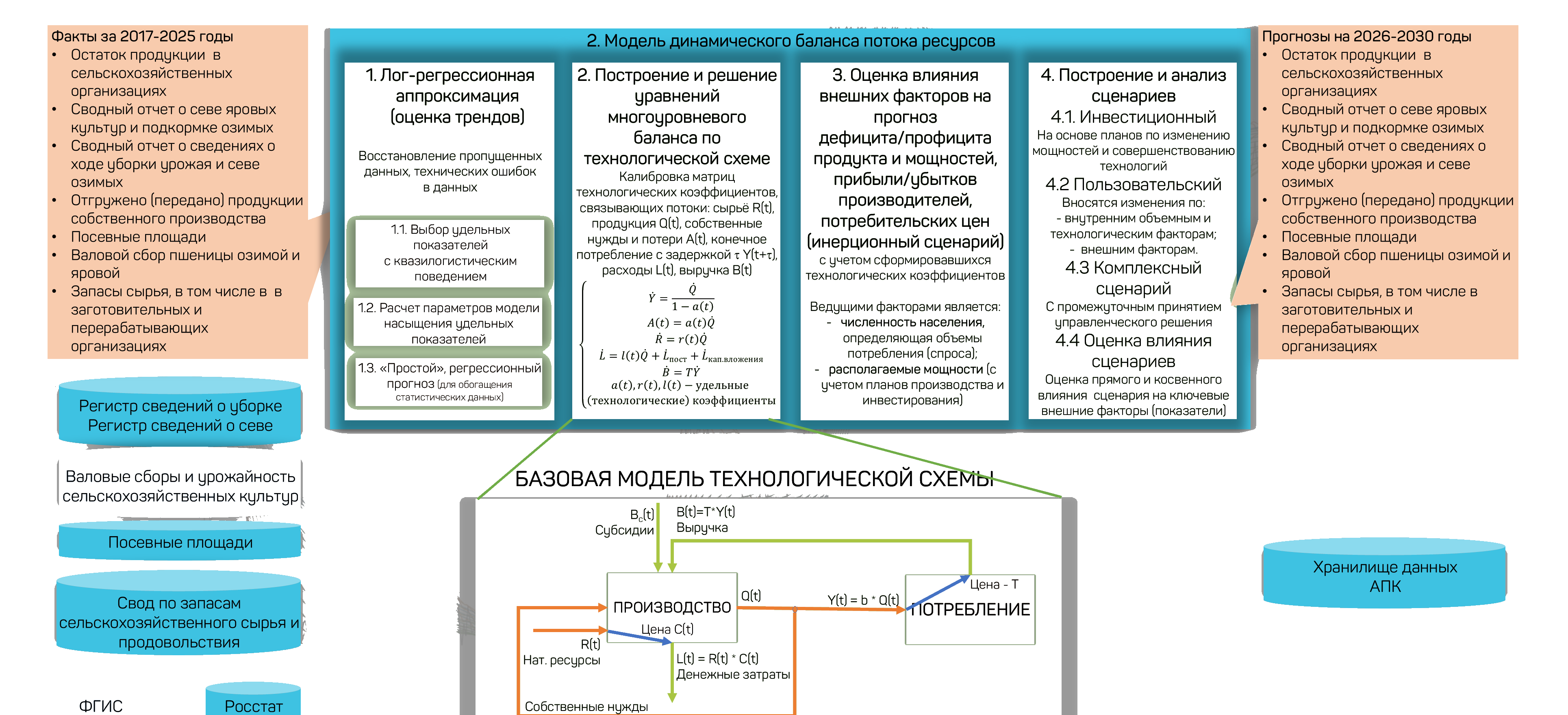
Figure 49 — Agro-industrial production model: the dynamic balance of resource flows and scenarios
8.3 Software support
8.3.1 System software
Operating system:
- Astra Linux SE (Special Edition)
- FSTEC certification
- Support for Russian processors
Database management systems:
- PostgreSQL 14+ (relational)
- ClickHouse 22+ (analytical)
- Redis 7+ (caching)
Web server:
- NGINX 1.20+
- Apache 2.4+ (alternative)
8.3.2 Application software
Statistical analysis:
- R 4.2+ (Posit)
- RStudio Server
- Packages: tidyverse, forecast, targets
Machine learning:
- Python 3.10+
- Libraries: scikit-learn, xgboost, pandas
Optimization:
- CPLEX / Gurobi (commercial)
- GLPK / CBC (open source)
- Python: pulp, pyomo
Visualization:
- D3.js
- Plotly.js
- Recharts
8.3.3 Developed software
Backend services:
- API Gateway (Node.js)
- Analytics service (R)
- ML service (Python)
- Compute service (Java)
Frontend applications:
- Web application (React)
- Admin panel (React Admin)
- Mobile application (in development)
Utilities:
- ETL tools
- Report generators
- Data migration tools
- Administration scripts
8.3.4 Licensing
Open source components:
- PostgreSQL (PostgreSQL License)
- ClickHouse (Apache 2.0)
- R (GPL-2/GPL-3)
- React (MIT)
Commercial components:
- Astra Linux (commercial license)
- Optimization solvers (optional)
In-house development:
- Proprietary license
- Licensing by number of users or modules
8.3.5 Updates and support
Regular updates:
- Security patches - monthly
- Minor updates - quarterly
- Major releases - 1-2 times a year
Technical support:
| Level | SLA | Response time | Channels |
|---|---|---|---|
| Critical | 99.9% | 1 hour | Phone, Email |
| High | 99.5% | 4 hours | Email, Portal |
| Medium | 99% | 1 day | Portal |
| Low | 95% | 3 days | Portal |
Support channels:
- Hotline
- Email support
- Support portal
- Online chat
- Remote assistance
8.4 Information support